The Only Mobile Option
ERS is built for iOS and Android — the only available mobile app focused on ship engine room familiarization. No lab booking, no desktop required. Practice between classes, at sea, or at home.
Familiarize with Ship Engine Room Operations — Anytime, Anywhere.
Engine Room Simulator - ERS is the only mobile app where marine cadets, students, and seafarers can practice shipboard engine-room procedures on iOS and Android — offline, on your schedule, without a simulator lab. Diesel generator synchronization, PPE safety, valve alignments, and more, in your pocket.


M-TRAINING INSTITUTE
ERS is built for iOS and Android — the only available mobile app focused on ship engine room familiarization. No lab booking, no desktop required. Practice between classes, at sea, or at home.
Full-mission engine room simulators deliver accredited institutional training — but they are costly to deploy and access. ERS offers an affordable, portable way to rehearse procedures before and after those sessions.
ERS is supplementary m-training for procedural familiarization. It is not STCW-accredited and is not a substitute for approved simulator-based maritime training. Use it alongside your academy and desktop simulator programs.
Research-Informed Design
Engine Room Simulator extends a proven simulation-based mobile (SiM) training model — grounded in Q1 Scopus-indexed research by the app developer.
The COVID-19 pandemic exposed how fragile maritime and TVET education becomes when physical laboratories and simulator suites shut down. Typhoons, earthquakes, and other natural calamities pose the same risk across maritime training hubs in the Philippines and worldwide. ERS is proposed as a resilient, portable complement — keeping engine room familiarization alive when institutions cannot run desktop simulators or face-to-face labs.
In a study published in the Journal of Computers in Education (Springer Nature), developer Louie C. Juera demonstrated that a simulation-based mobile learning application can develop technical and vocational skills in a VUCA world marked by online and hybrid modalities. Among 345 global users, perceived usefulness and ease of use significantly predicted skills development — validating mobile simulators as a serious pedagogical tool, not a novelty.
Read the SiM learning study (Q1, Scopus) →A 2025 systematic review in Interactive Learning Environments (Taylor & Francis) — analyzing 92 studies from 2014–2024 — distinguishes m-training as a skills-oriented approach separate from general m-learning. Engineering education is a leading application domain; scenario-based training is the dominant modality, and all reviewed studies reported positive impacts on learner proficiency. Engine Room Simulator applies this evidence base directly to marine engineering.
Read the m-training systematic review (Q1, Scopus) →ERS is developed by the same researcher behind the globally adopted Electrical Wiring Simulator (900,000+ downloads), extending simulation-based mobile training from electrical engineering into maritime engine room education.
Portable engine room training that extends — not replaces — your formal simulator education.
The selling point of ERS: rehearse PPE checks, valve alignments, generator sync, and plant management on mobile — whenever you have a few minutes, without waiting for simulator lab time.
Desktop engine room simulators require significant investment. ERS puts hands-on familiarization in reach of every cadet and seafarer through an affordable app on the App Store and Google Play.
Follow guided modules for diesel generator sync, seawater alignment, fuel oil, lube oil, freshwater, starting air, and more — building muscle memory before your next formal assessment.
ERS supports m-training and familiarization only. It does not meet STCW simulator accreditation requirements and should be used as a complement to — not a replacement for — approved maritime training.
See the marine ship simulator interface — industrial controls, P&ID diagrams, and guided training modules.
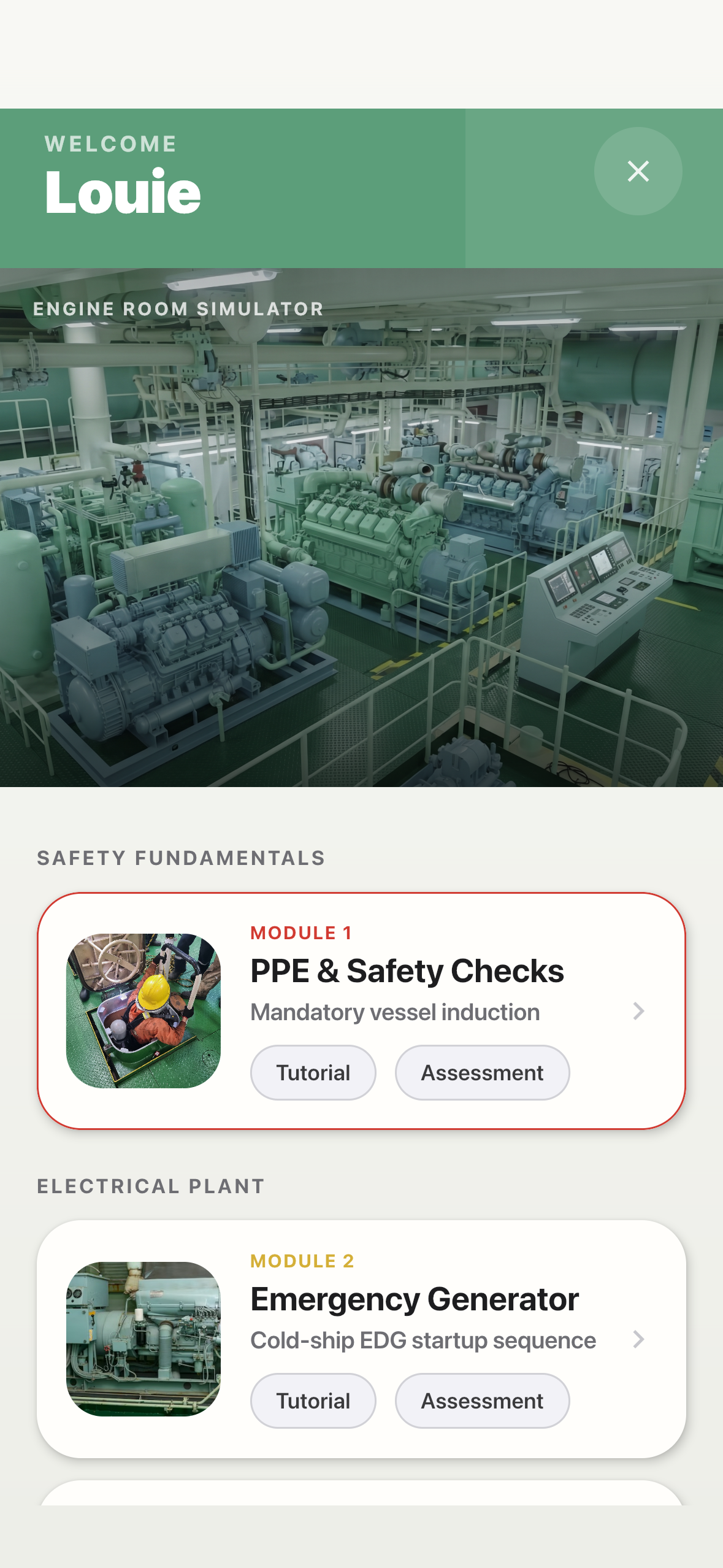
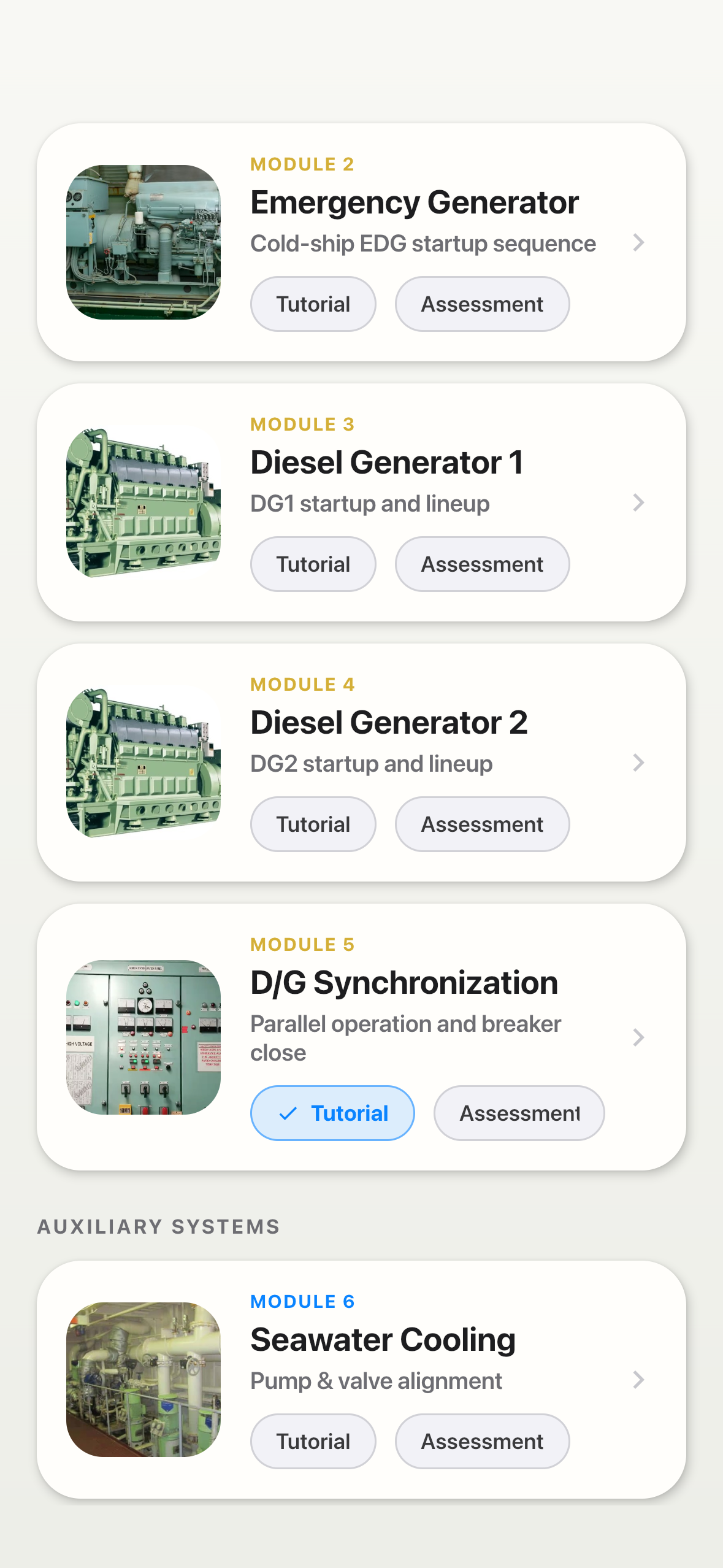
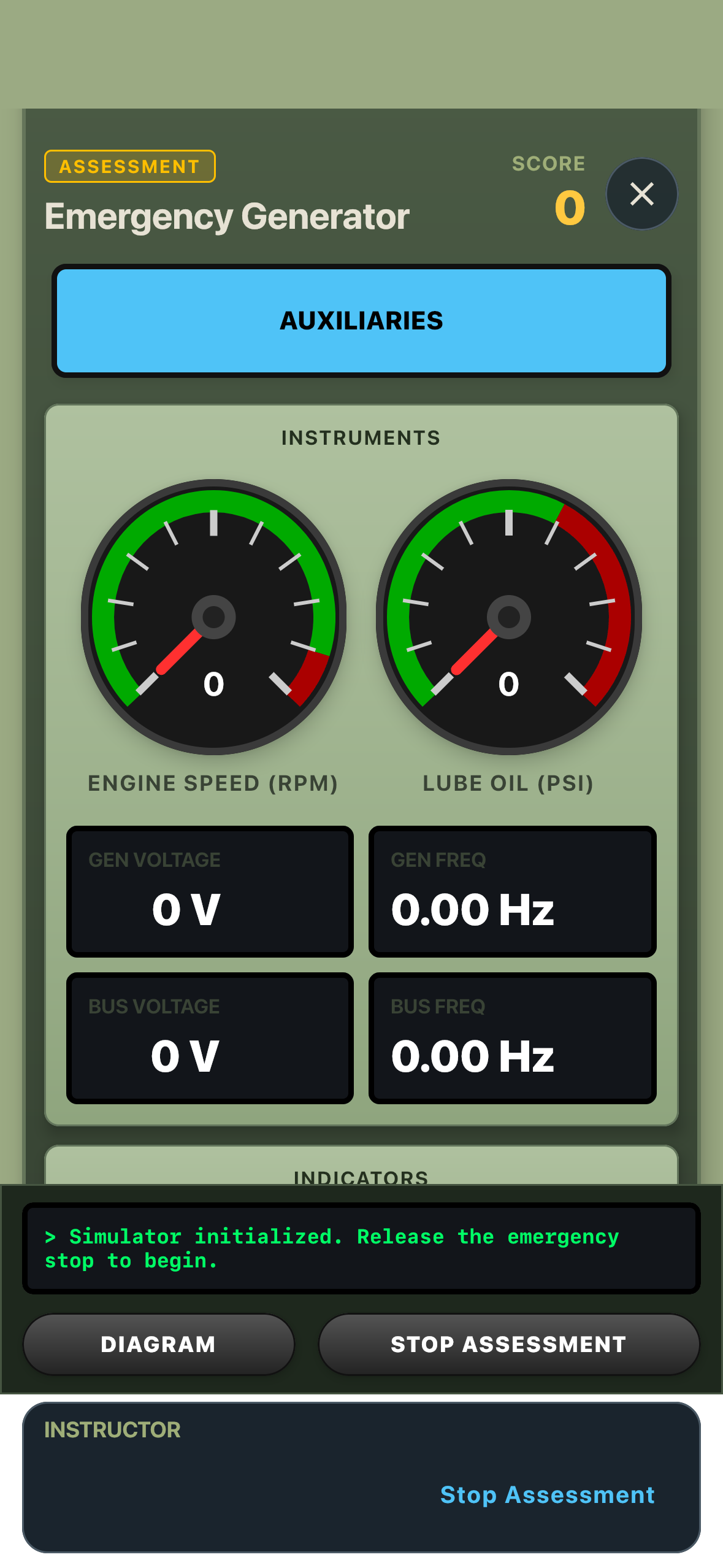
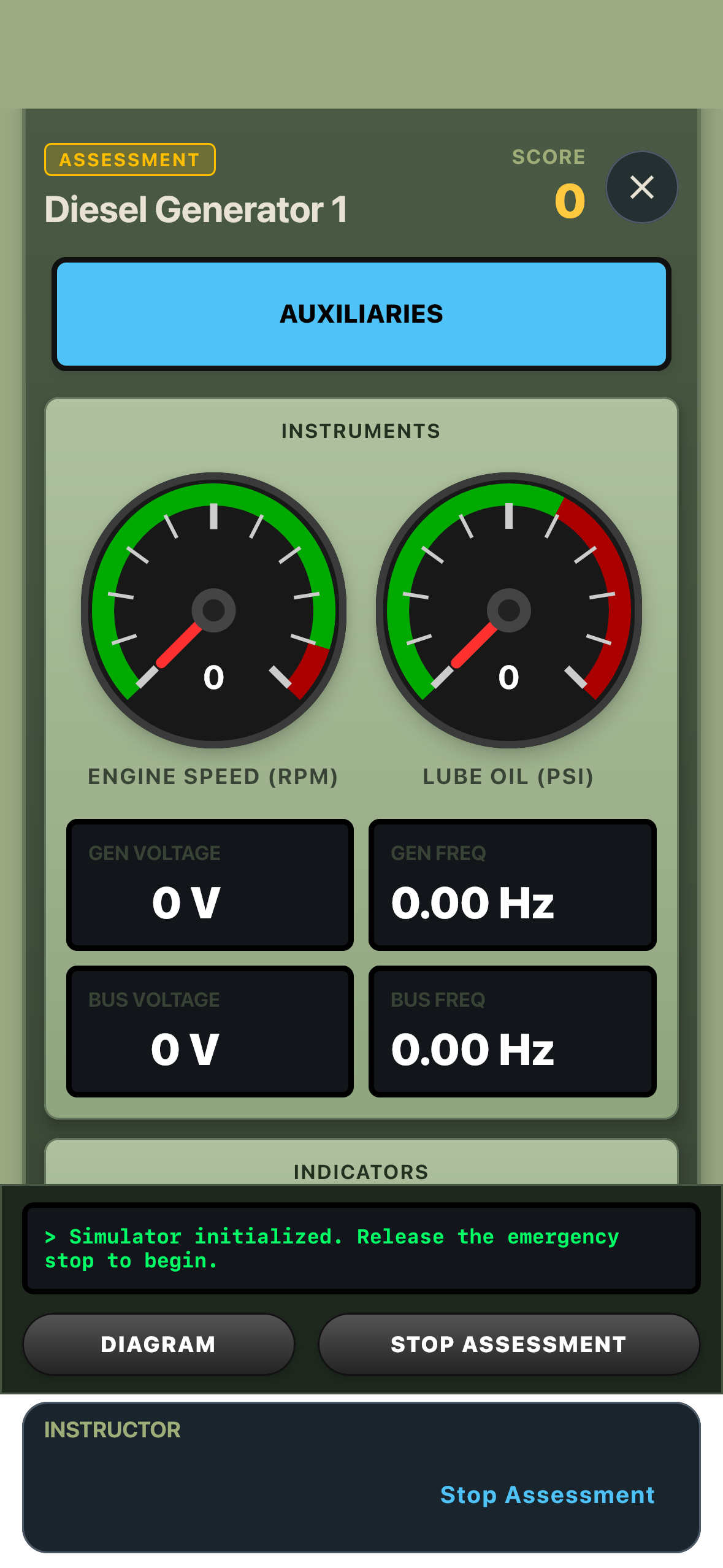
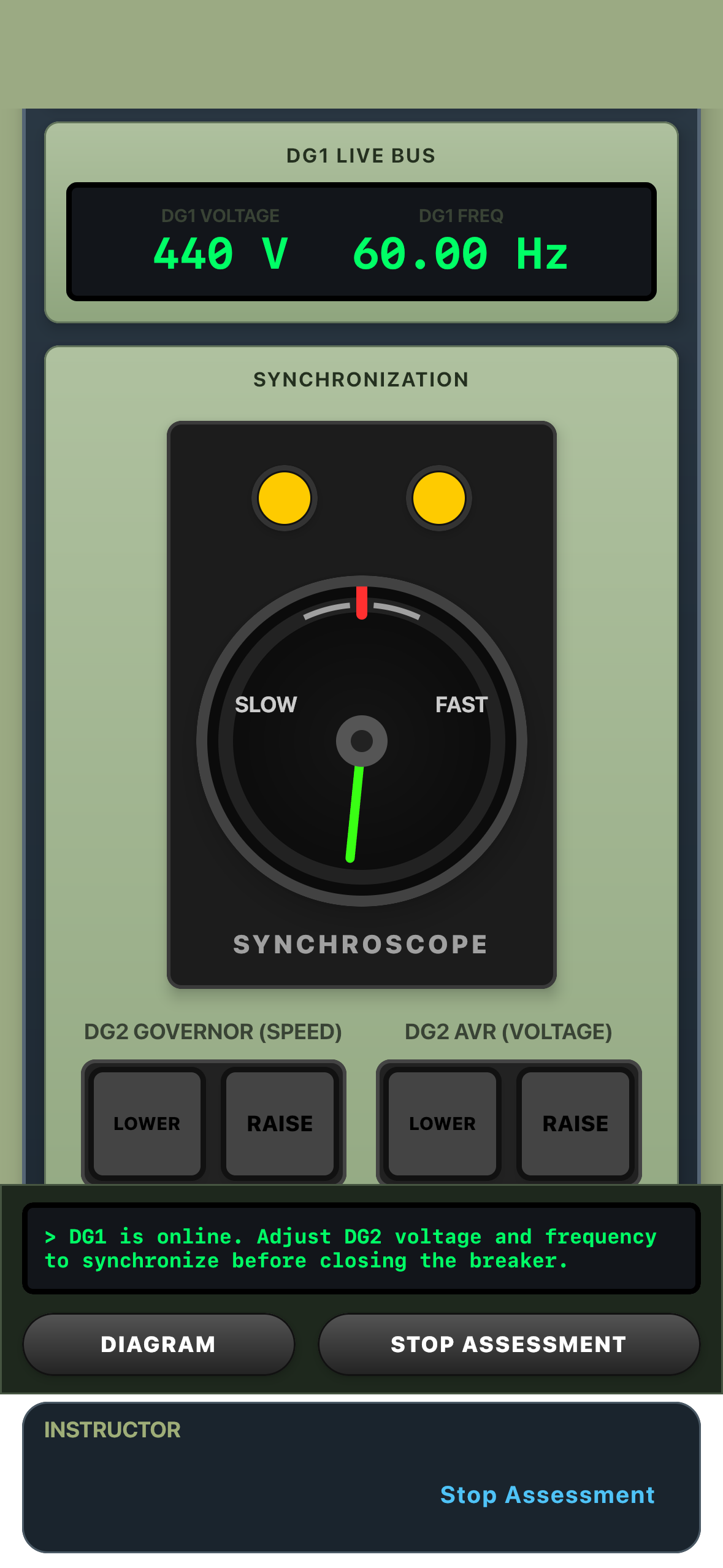
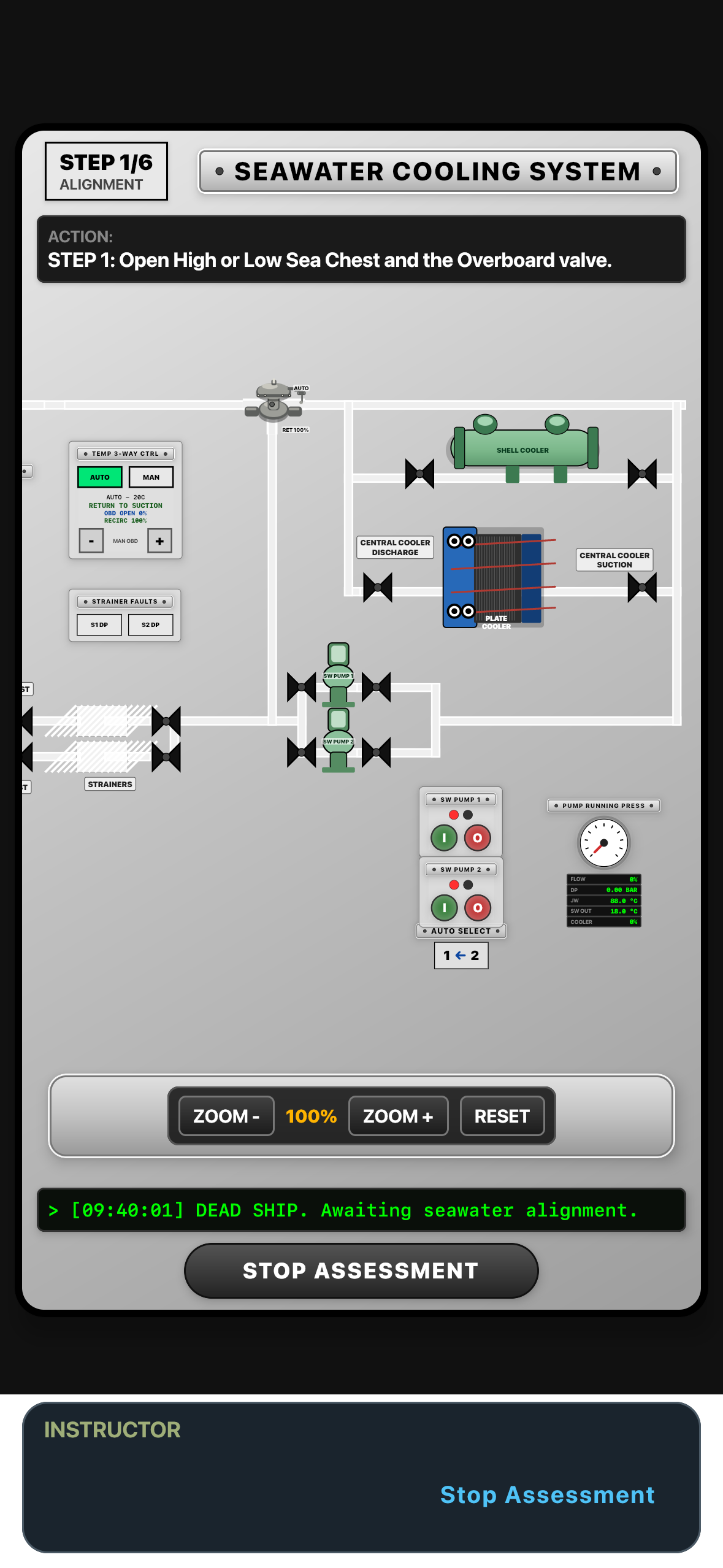
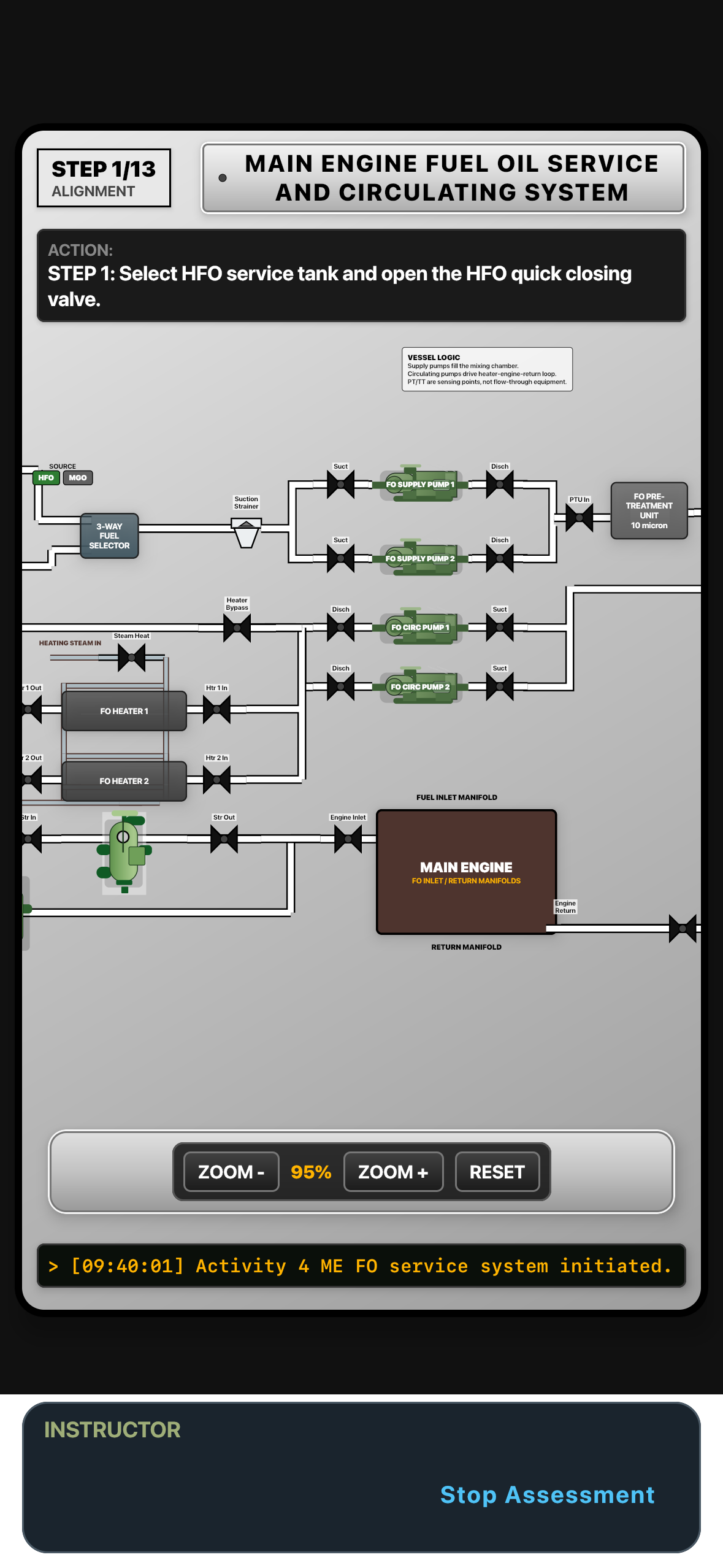
Step-by-step shipboard system practice — from diesel generators and PPE safety to auxiliary plant operations.
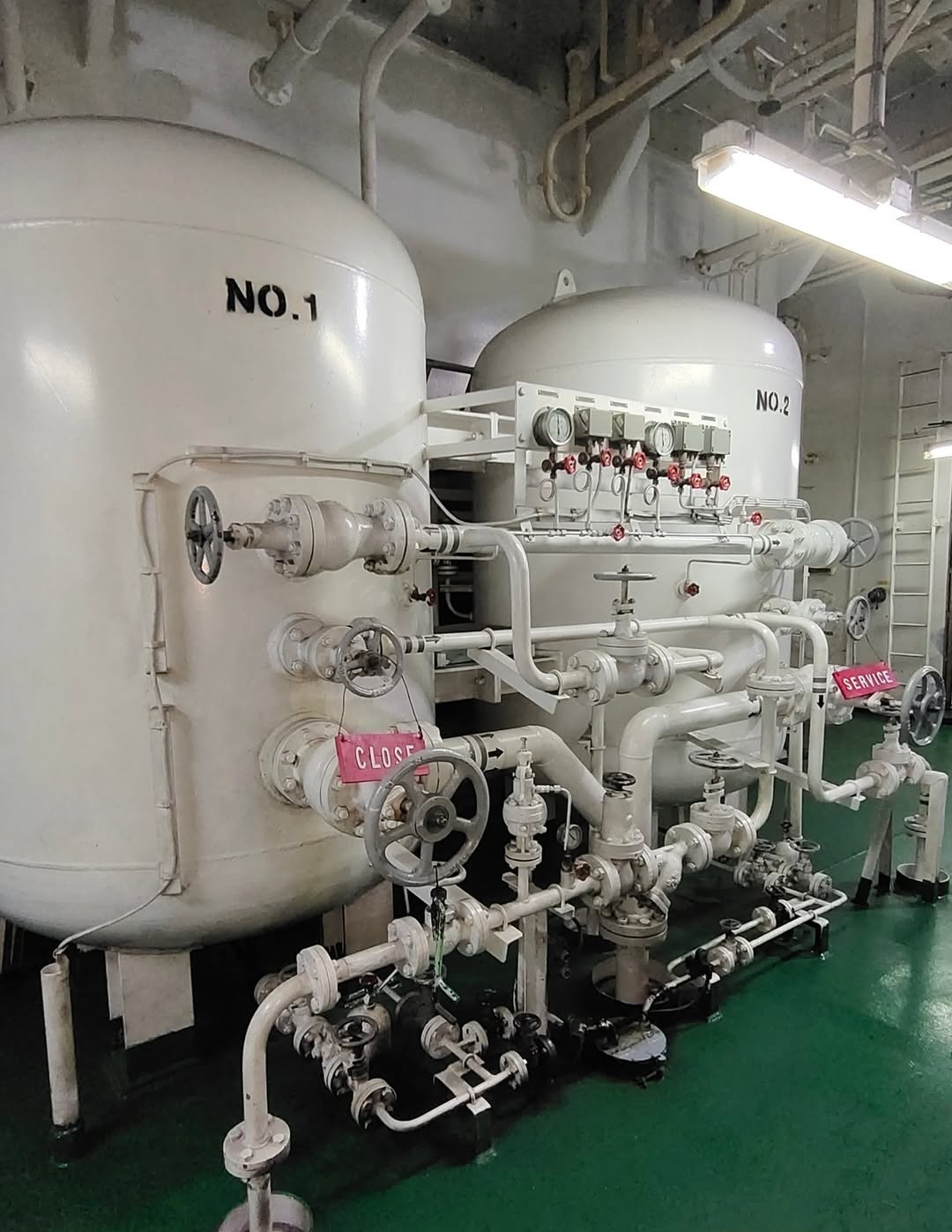
Prepare compressed air systems for main engine startup.
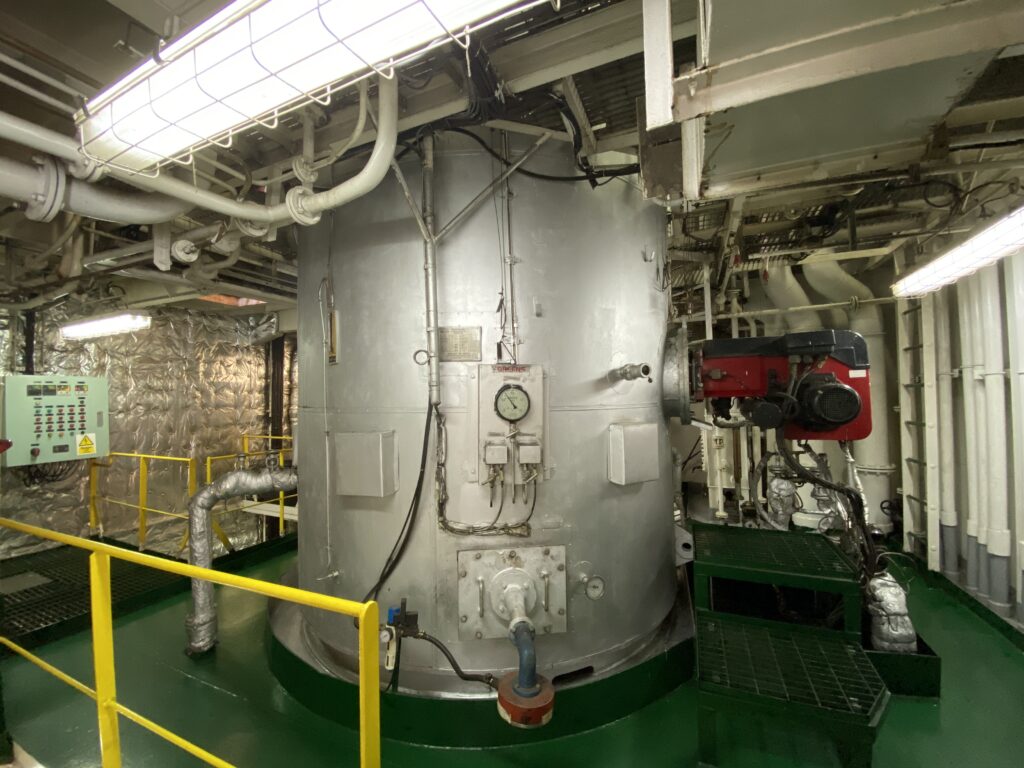
Manage steam generation and boiler support systems.
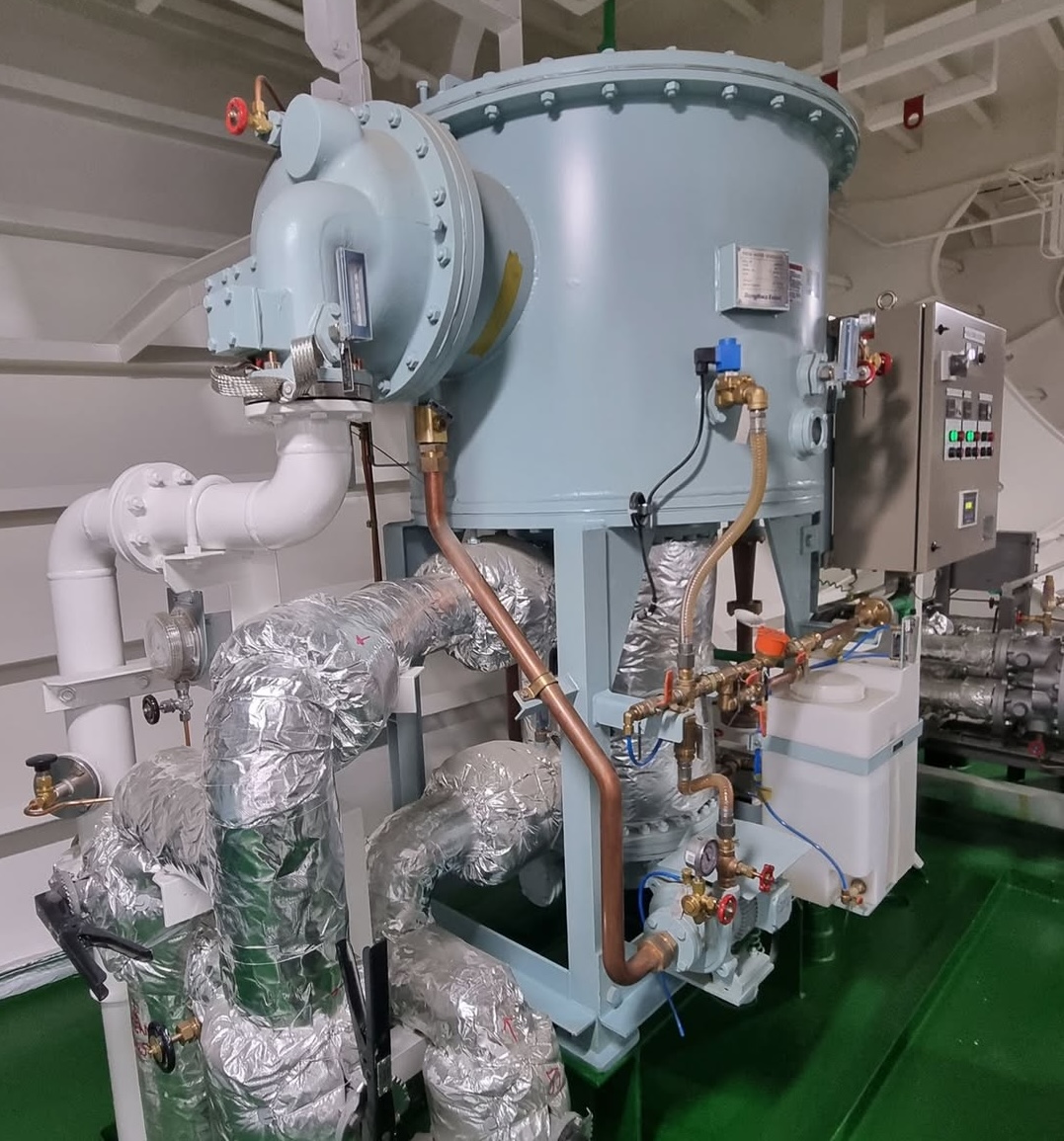
Align low-temperature and high-temperature cooling circuits.
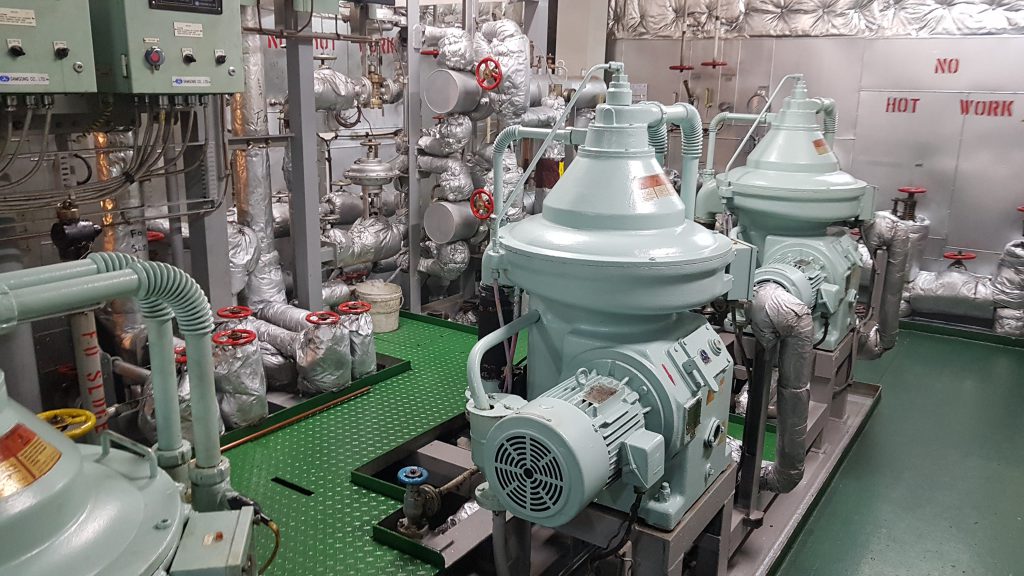
Operate fuel pretreatment and service transfer systems.
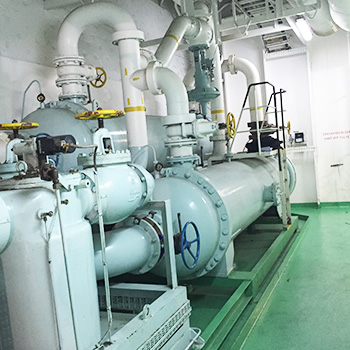
Manage sump levels and lube oil circulation.
Align central seawater cooling and overboard discharge.
From first launch to confident procedures in three steps.
Complete guided onboarding and try an optional diesel generator synchronization tutorial — or skip and learn at your own pace.
Complete PPE to unlock training modules, or gear up each time you Enter Engine Room for the full voyage simulation.
Repeat valve alignments, fault corrections, and startup sequences until they become second nature — all offline on mobile.
ERS Pro unlocks full simulator access — every training module, the voyage sandbox, and guided assessment workflows. Download the app and upgrade when you are ready to go deeper.
For decades, ship engine room familiarization has depended on desktop-based simulators housed in maritime academies and training centers. These systems are powerful — but they are also expensive to install, license, and access, and they go offline when crises hit. The COVID-19 pandemic forced maritime and TVET programs worldwide into emergency remote instruction; natural calamities continue to disrupt classes and lab access across coastal regions. Learners cannot take a desktop simulator home when campuses close.
Engine Room Simulator addresses this gap with a model grounded in published research on simulation-based mobile (SiM) learning and mobile training (m-training). It is the only available mobile app where marine cadets, students, and seafarers can familiarize themselves with engine room operations anytime and anywhere — on iPhone, iPad, or Android, fully offline once installed. Rehearse diesel generator synchronization, PPE safety induction, seawater and fuel oil alignments, and full plant workflows in the minutes between classes, during travel, or when simulator labs are unavailable.
ERS is deliberately positioned as complementary m-training, not a replacement for institutional simulator programs. It is not accredited under STCW simulator requirements and does not substitute for approved maritime training, certification, or competence assessment. Think of it as the portable practice layer that supports your formal desktop simulator sessions — building procedural confidence so you arrive prepared.
Download Engine Room Simulator - ERS free on the App Store and Google Play. Upgrade to ERS Pro for every training module and the full voyage simulation sandbox.
Common questions about the Engine Room Simulator marine training app.
Engine Room Simulator (ERS) is the mobile app for ship engine room familiarization on iOS and Android. It lets marine cadets and seafarers practice shipboard procedures — electrical plant, auxiliary systems, PPE safety, and valve alignments — offline on mobile, anytime and anywhere.
Most engine room simulators are desktop-based, institution-hosted, and expensive to access. ERS is a mobile training app you carry in your pocket — affordable, offline-capable, and available whenever you have time to practice. It extends your learning between formal simulator sessions; it does not replace them.
ERS is the only available mobile app focused on familiarizing learners with ship engine room operations on iOS and Android. It is purpose-built for portable m-training — not a scaled-down desktop simulator, but a complementary tool for procedural practice on the go.
ERS is built for marine cadets, marine engineering students, active seafarers, assessment trainees, and instructors who want supplementary familiarization with engine-room operations, valve alignments, and startup sequences.
Yes. Engine Room Simulator includes a dedicated diesel generator synchronization module with synchroscope controls, governor and AVR adjustments, and guided step-by-step training — one of the core skills in marine electrical plant operations.
Yes. Once installed, you can practice marine engineering procedures offline on your own schedule — ideal for studying between classes, during travel, or before boarding.
Engine Room Simulator is free to download on the App Store and Google Play. ERS Pro unlocks the full simulator — all system modules, voyage simulation, and assessment workflows — via a yearly subscription or one-time lifetime purchase.
When maritime academies suspend face-to-face classes or simulator labs close due to events like COVID-19, typhoons, or earthquakes, learners lose access to desktop engine room simulators. ERS provides a portable, offline-capable alternative so cadets can continue procedural familiarization on mobile — supporting institutional continuity plans without claiming STCW accreditation.
Developer Louie C. Juera published peer-reviewed studies in Q1 Scopus-indexed journals showing that simulation-based mobile (SiM) apps can develop technical skills in volatile, disrupted learning environments, and that mobile training (m-training) — as distinct from general m-learning — consistently improves learner proficiency across engineering domains. Engine Room Simulator applies this research lineage to maritime education.
No. ERS is supplementary mobile training (m-training) for familiarization and procedural practice. It is not STCW-accredited and does not meet STCW requirements for approved maritime simulators. It complements — never replaces — your academy, company, and desktop simulator programs.
No. ERS is built strictly for supplementary education and procedural familiarization. It is not a substitute for approved maritime training, STCW-accredited simulator courses, certification, or competence assessment.
The only mobile app for ship engine room familiarization — practice anytime, anywhere, as a complement to your formal simulator education.